
















How to Start an Online School in 2024?
The educational landscape is evolving at an incredible pace!
Millions of students already prefer new choices like online learning, hybrid models, and blended alternatives.
These upward trends will undoubtedly continue in the coming years.
Starting an online school in India is a prudent idea.
Let’s discover how to start an online school in India.
Stay glued as we bring you all the steps, starting with the basics.
What is an Online School?
As the name suggests, an online school in India offers a schooling choice purely through the virtual medium. Students who enroll in a digital school continue their education without visiting a physical campus. This makes a k12 online school a full-fledged option to complete the entire school education outside a brick-and-mortar institution.
Before we explain the steps of starting a virtual learning platform, let’s explore if the online education industry is a sustainable business model for you!
Facts and Figures
- The online education market is projected to reach US$6.71bn by the current year.
- It is estimated that by 2028, the annual growth rate of this industry will reach a market volume of US$14.65bn with a CAGR of 2024-28 of 21.56%.
- In the next 4 years, i.e., by 2028, the number of users in India’s online education market will be around 287.6 million.
- The primary growth drivers of online education are lower infrastructure cost, skill enhancement, and the potential to reach out to a more extensive student base.

Isn’t it promising enough?
Let’s jump to the steps to start an online school in India.
Steps to Start an Online School
1). Creating the Blue Print
Online schools admission does not depend on a student’s physical location. However, there are still other aspects that you need to consider. Understand the requirements of the specific income groups that you wish to attract.
Decide the target age groups, curriculum choice, subject offerings, complete program or flexi subject choices, quality of content, fee structure, and key differences from traditional schools.
Once you complete these requirements, understand the government laws for starting an online school in India. We already know most of the laws about opening physical schools in India.
However, aspects like building, infrastructure, etc., are null and void for virtual schools. Focus on the legal aspects like accreditation or recognition.
An accredited digital school is as good as a legal, physical school.
2). Curriculum Choice
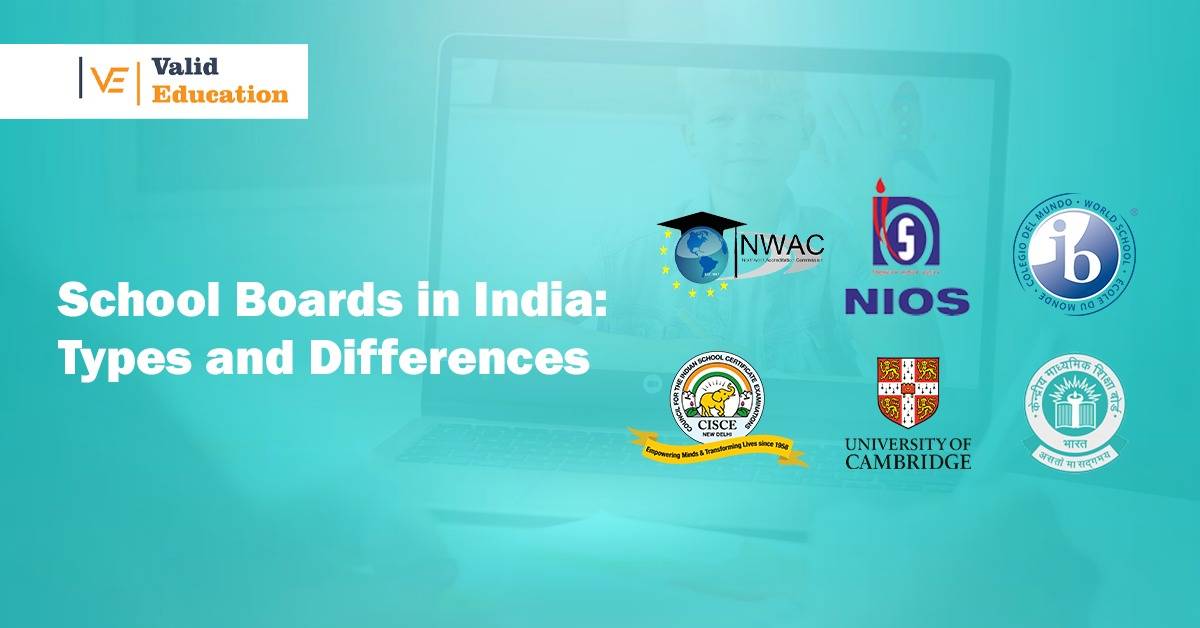
CBSE, State Boards, and Council for the Indian School Certificate Examinations are some of the popular curriculum choices in India. Besides, you can also choose an international curriculum like Cambridge International curriculum and The International Baccalaureate.
So you must pick your preferences, scrutinize the pros and cons, and finalize the one that perfectly suits the requirements of your target audience. Remember that your online schools admission will largely depend on the curriculum you offer.
3). Decide the Subjects
Once again, go back to the first step and validate the needs of your target audience. Chalk out the subject choices and segregate these into the core, electives (additional), etc. It gives you an edge to integrate values education and offer additional language learning options.
4). The Online Learning Platform
To start an online school, you can either build your online platform (Learning Management System) or procure it through a provider. Make it a point to focus on the ease of use and cross-check all the integrated features like connecting to an online class, accessing virtual resources, and uploading modules (divided into lessons).
Remember that virtual learning is all about building a strong learning community with superb stakeholder collaboration. Your LMS must be tailored to the needs of 21st-century learning, making it easier to connect with your community through engaging content (like regular posts, blogs, activities, etc.).
5). Planning Your Business
In this age of digital marketing and branding, you need a solid mechanism to promote your online school. When you have your website ready, delve into the nitty-gritty of marketing tools, software for analytics, enrollment strategies, trackers, monitoring mechanisms, AI tools, etc., to create a perfect mix for your business.
Knowing the market trends and cascading the business plan to prepare your teams (counselors, teachers, admin staff, HR, etc.) is also great for a business owner. Have a strong marketing strategy for your online school in India to reach the desired enrolment numbers.
You will also need a CRM to automate manual tasks such as maintaining data, fetching reports, and managing information across different teams.
To manage and segregate the online schools admission and know your website’s performance, you will also need pieces of code (created by coders) to help you understand the actual conversions through ad campaigns and other targeted audience responses.
6). Creating the Experience
This age of handheld devices is about delivering a seamless experience at your fingertips. The top k12 online schools extend excellent support to the stakeholders through features like a mobile application, user-friendly website, etc.
7). Quality Assurance
From common CBSE recognitions to prestigious accreditations (through legal accrediting agencies), these value adds make all the difference!
To most stakeholders, online education is as good as a traditional medium as long as quality assurance exists. Get this one sorted, or look for a partner to take you through this process.
8). Starting Online Classes
Most digital schools (including k12 online schools) align their academic calendars per the standard Indian academic year (April to March). Decide the starting and ending dates of your online classes and create the class planner per the number of classes you commit to your students (during the enrolment process). Do not forget to make the launch day SPECIAL with some celebrations and surprises for the employees and students.

9). Promoting Your School
Once you go live, create e-mail campaigns, design ads, and use other content to promote your school. Conduct webinars and keep collating stakeholder feedback at each step to work towards continuous improvement.
Final Thoughts
A virtual learning platform can be a profitable business solution if you have a planned approach. Make sure you collaborate with the right business partners if you need assistance starting your school (other business partners dealing with outsourcing services for curriculum, accreditation, digital book providers, etc.). Most importantly, trust your instincts and gear up to impact online education!
Thanks for Reading!
Frequently Asked Questions
1. How can I start my online classes?
Ans) Create a blueprint, choose a curriculum, decide on subjects, procure a learning platform, plan the business model, and arrange for proper accreditation/recognition. Once you complete the online schools admission process, start with the virtual classes.
2. How do you start online schooling for high school?
Ans) You must meet all the requirements mentioned in the 1st answer at the high school level. In addition, you will also plan for public exams (classes X and XII). You can choose a CBSE (or equivalent) recognition or offer an international board with the choice of appearing for public exams as private candidates (for example- Cambridge private candidate option)
3. How can I start a small online education business in India?
Ans) Keep the business model minimalistic or offer fewer classes/subjects/supplementary learning options after meeting all other requirements.
4. How to start online school in India
Ans) Decide the target audience, get a virtual learning platform, arrange for a curriculum, undergo the quality assurance processes (accreditation or recognition), hire the necessary team members, and arrange for all the required tools (for tracking and managing tasks).
Suggested Read
- List of Fake Boards in India 2024-25
- List of Valid Boards in India 2024-25
- Top 10 Schools in Indore 2023 with Curriculum, Fees & More
- Top 10 Schools in Bhopal 2023
- Top 10 Schools in Jaipur 2023
- Top 10 Best Schools in Chennai 2023
- Top 10 Schools in Lucknow 2023
- Top 10 Schools in Pune 2023
- Top 10 Best Play Schools in Delhi For Admission 2023-24
- Top 10 schools in Kolkata 2023
- Top 10 Online Learning Platforms in India 2023